
Dashcam Footage as Evidence: What Applies After the BGH Ruling?
For a long time it was disputed whether dashcam footage could be used in accident proceedings. Since the BGH ruling of 2018, it is clear: yes – under certain conditions.
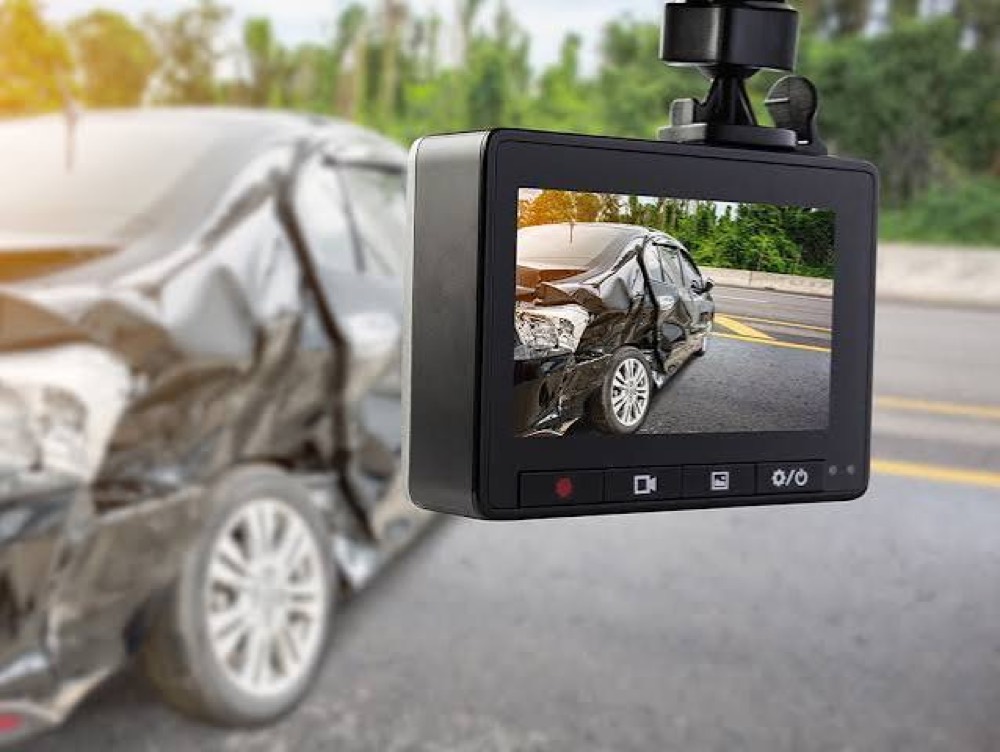
The BGH Ruling
The BGH ruled that dashcam footage can be admissible as evidence in civil proceedings, even though permanent, unprompted filming of traffic is impermissible under data protection law. What matters is a balancing of interests: the accident victim's interest in evidence can outweigh the filmed party's interest in data protection – particularly since the accident occurs in public road space, where road users are in any case exposed to being observed by others.
What Does This Mean in Practice?
A dashcam can be decisive where evidence is otherwise lacking (one word against another, disputed lane changes, rear-end and turning accidents). Devices with short loop recording that automatically overwrite footage and only save it permanently upon impact (G-sensor) are generally the most compliant with data protection requirements.
Risks
Data protection law remains applicable: unprompted continuous filming and, in particular, publishing footage (on social media) can trigger fines. The footage can also be used as evidence against the person who filmed it.
Important Court Rulings
- BGH, ruling of 15.05.2018 – VI ZR 233/17
Dashcam footage is admissible as evidence in accident liability proceedings after a balancing of interests, despite the data protection unlawfulness of the recording.
Had an Accident? We Examine Your Claims.
We examine your claims and handle the complete settlement process with the insurer – in the case of a no-fault accident, the other party's liability insurer as a rule bears the legal fees.
This article is for general information purposes and does not replace individual legal advice. As of: July 2026. All cited rulings are publicly accessible (including bundesgerichtshof.de).